Tax Tips for Individuals
May 15, 2021
Are you making the most of your allowable tax deductions? Individuals can claim for general work-related expenses as well as occupation-specific expenses and working from home.
Tax time is just a few weeks away. Take the chance to make sure you're ready to go when the time comes.
Income
The Australian Taxation Office (ATO) automatically receives information from your employers about salary and wages that you have been paid for the financial year. You need to declare all income from other sources on your tax return as well.
- Wages and salaries from employment.
- Pensions, annuities or government payments such as JobSeeker or JobKeeper.
- Investment income including interest earned and dividends paid.
- Business or hobby income.
- Foreign income.
- Crowdfunding income.
- Sharing economy income such as Uber or Airbnb.
- Any other income such as prize money, compensation or insurance payments.
You will need:
- bank statements that show interest income;
- proof of earnings from other sources such as crowdfunding or share economy platforms;
- records of business or hobby income;
- records of government payments received;
- and records of any other payments received from overseas sources, prize winnings, insurance or investments.
Tax Deductions
Employees are entitled to claim work-related expenses as a tax deduction. To claim a tax deduction, you must have spent the money out of your own funds and not have been reimbursed by your employer. The expenses must relate to your earnings as an employee. Make sure you have invoices and receipts as proof of payment for any work-related expenses.
Expenses you may be able to claim
- Vehicle and travel expenses – make sure you have a travel diary to record details of trips taken for your employment.
- Clothing, laundry and dry-cleaning expenses – you can claim for occupation specific clothing, uniforms and protective gear.
- Home office expenses – there are special rules this year for employees working from home because of COVID-19. You will need records of the hours you have worked from home to claim the ATO special rate.
- Self-education expenses – some education expenses that relate to your current employment are claimable.
- Tools and equipment – if you buy gear to help you in your job, these may be claimable. Small tools of trade, protective items, professional references and laptops are some examples of equipment you may be able to claim.
Occupation and Industry Specific Guidelines
The ATO recognises that some occupations and industries have specific requirements that employees need to pay for.
There are handy ATO fact sheets for many industries, including hairdressers, teachers, performing artists, hospitality workers, lawyers, medical professionals and more. These guides are a great starting point if you are not sure what you can claim, but we can give you information tailored to your situation when you do your tax return.
Superannuation
If you have made personal superannuation contributions separate to your employer’s superannuation guarantee contributions, you may be able to claim this as a tax deduction. You will need to provide a notice of intent to claim form to your super fund and receive acknowledgement from the fund before doing your tax return.
Book a time with us now to prepare for your tax return and we’ll make sure you maximise your allowable tax deductions this year.

Many small business owners report difficulties when it comes to the delay between issuing an invoice and actually getting paid.
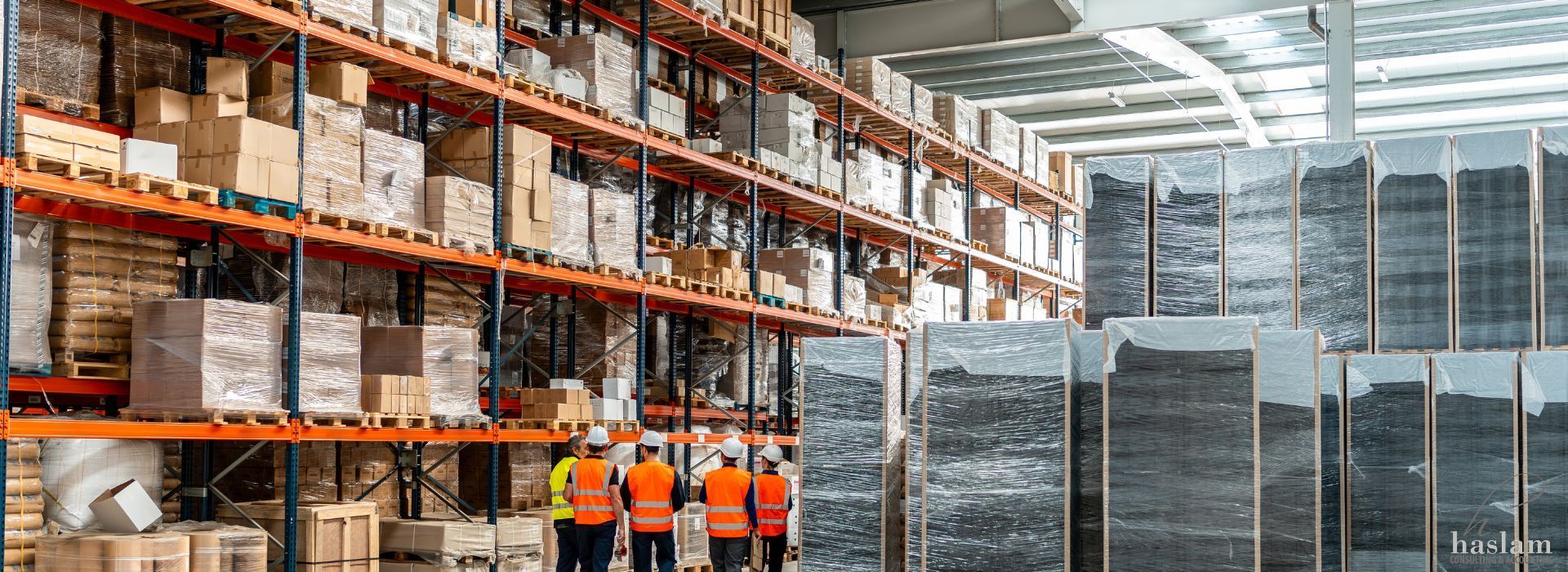
Inventory management is critical for any business. It'll help keep enough stock to satisfy customer demand and avoid pitfalls associated with inventory.

Builders report difficulties recruiting or retaining skilled workers. We outline what’s causing the shortages and how you can find those much-needed skilled workers.
Positive cashflow is the beating heart of your business. Read our Plain English guide to cashflow and find out how to get in complete control of your cash position.
At the Federal Budget in May 2026, the Government announced that it would reintroduce a loss carry back tax offset for companies.

Working for yourself or running your own business? Setup robust systems for expenses & tax requirements so you can focus on your important tasks.
From 1 October 2026, businesses will no longer be able to apply a surcharge to card payments on designated eftpos, Mastercard and Visa networks.
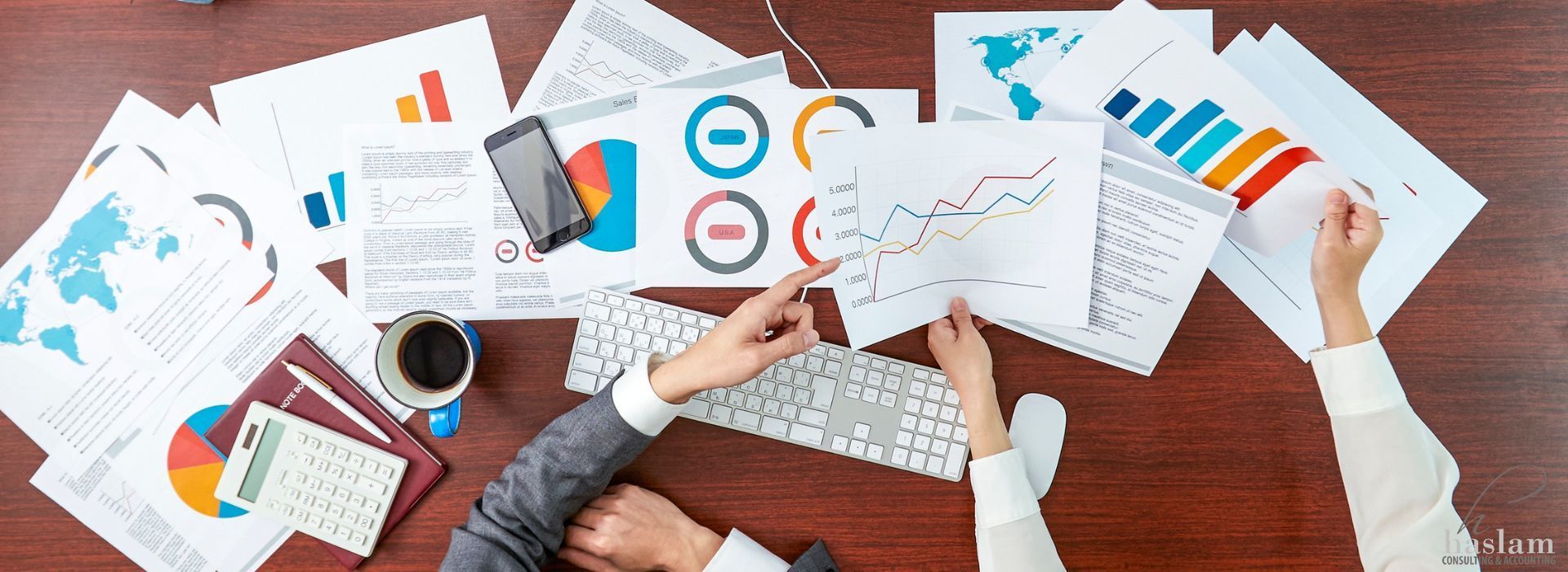
Do you know how to track the financial health of your business? We highlight 5 key metrics you should be tracking and managing to keep your finances on course.
Now comes a decision for anyone who uses their car for work: is it better to claim a deduction using the logbook or cents per kilometre method?

Why is good bookkeeping so vital for your financial management? We’ve got some top hacks for maximising your bookkeeping!